
And Collectors Are Finally Admitting It!
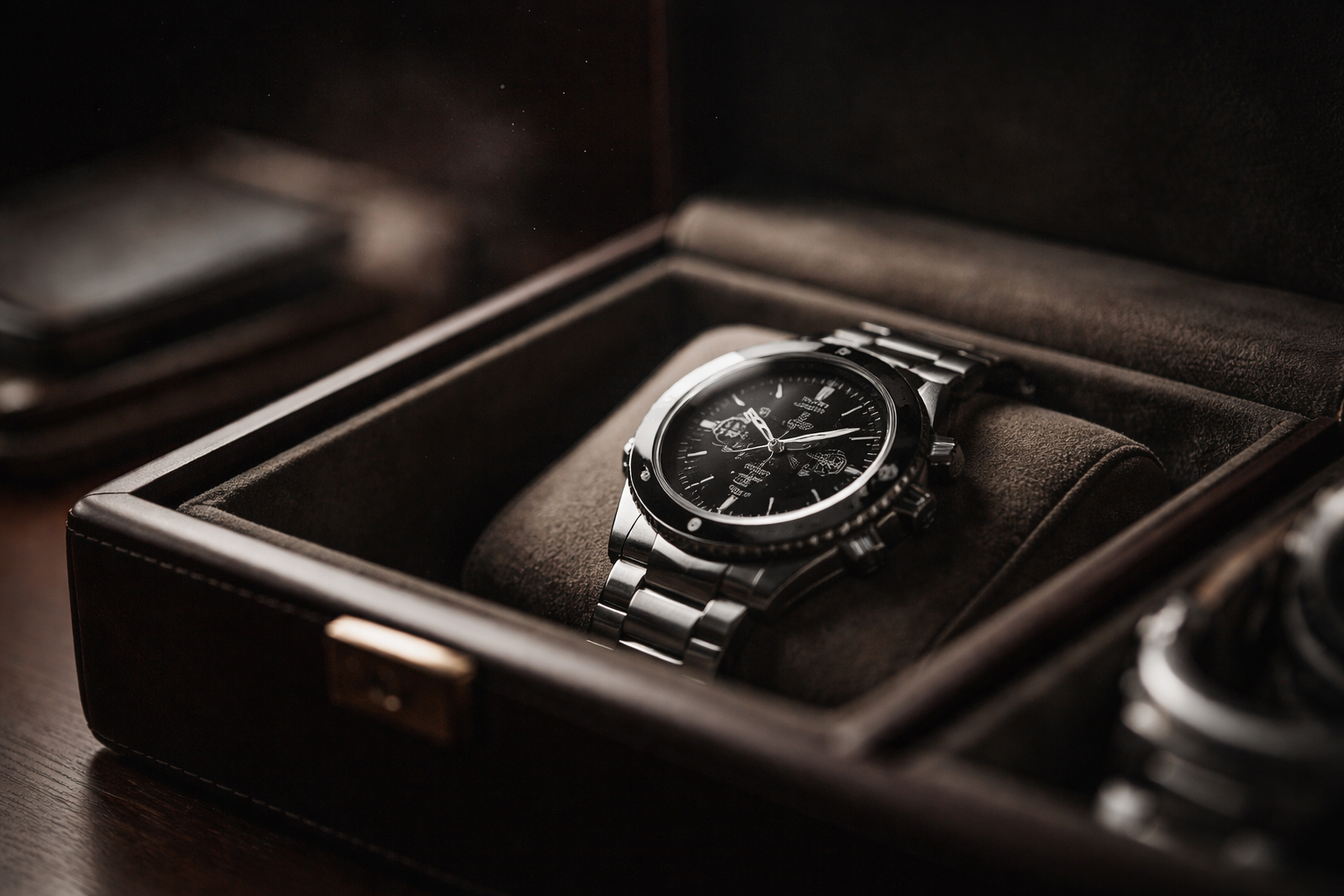
The luxury watch world has always flirted with the idea of investment, but in recent years that flirtation turned into a full-blown obsession. Chronographs were discussed in the language of equities, waitlists were treated like insider access, and resale charts became as important as case finishing or movement architecture. Today, that era is quietly unraveling—and many collectors are beginning to acknowledge it.
For much of the last decade, a narrow group of models drove the narrative. Prices climbed rapidly, fueled by limited supply, social media visibility, and the perception that certain watches were immune to broader market forces. Ownership became less about personal taste and more about timing the market. Watches were stored rather than worn, insured rather than enjoyed, and evaluated by percentage gains instead of emotional attachment.
The shift did not happen overnight, nor did it announce itself dramatically. It arrived through subtle signals: softening secondary prices, longer resale times, and a noticeable cooling of speculative enthusiasm. Buyers who once justified purchases with projected appreciation are now asking quieter, more practical questions—about durability, service costs, and whether they actually like the watch on their wrist.
What is emerging is not a collapse of interest in luxury watches, but a recalibration of expectations. The idea that most modern production watches should behave like appreciating assets is proving unsustainable. Markets correct, hype cycles move on, and liquidity is not guaranteed. Many collectors are discovering that watches bought primarily for investment rarely deliver the satisfaction once the novelty fades or the market shifts.
There is also a psychological fatigue at play. Constant monitoring of resale values turns ownership into a low-grade stress. Every scratch feels like a loss, every wear a risk. The pleasure of collecting is gradually replaced by anxiety, and the watch—ironically—stops being worn altogether. For a growing number of enthusiasts, this realization has been sobering.
In response, buying behavior is changing. Collectors are returning to brands and models with long production runs, transparent pricing, and strong service networks. Emphasis is shifting toward comfort, design coherence, and mechanical integrity rather than perceived scarcity. Watches that once seemed “boring” because they lacked explosive resale potential are being reconsidered for exactly that reason.
This transition is not a rejection of value, but a redefinition of it. A watch that holds most of its retail price over time while delivering daily enjoyment is beginning to look more attractive than one that spikes briefly before stagnating. The conversation is moving away from “What will this be worth next year?” toward “Will I still want to wear this in ten years?”
None of this suggests the end of high-end watch collecting. If anything, it signals a healthier phase. The industry thrives when enthusiasm is rooted in craftsmanship, design, and history—not in speculative frenzy. As prices normalize and expectations adjust, space opens for more thoughtful, personal collecting.
The investment watch era is not ending with a crash, but with a quiet realization. Watches were never meant to be assets first. They were meant to be worn, lived with, and eventually passed on—scratches, stories, and all.
-D.Sikoff